

Flexion Distraction
What Is Flexion Distraction?
Flexion Distraction is a gentle, non-surgical chiropractic technique designed to relieve back pain, leg pain, and spinal tension. It uses a special adjustable table that moves in a rhythmic motion while the chiropractor applies controlled pressure to specific areas of your spine. This method safely stretches and decompresses the spine, relieving pressure on discs and nerves. It’s especially effective for patients with herniated discs, sciatica, or chronic lower back pain, providing lasting relief without the need for medication or surgery.
How Does Flexion Distraction Work?
During Flexion Distraction, your chiropractor uses a motorized table that bends and flexes your spine in a gentle, controlled motion. As your spine moves, pressure between the vertebrae is reduced, allowing bulging or herniated discs to retract and relieve nerve compression. This motion increases spinal space, improves circulation, and promotes nutrient flow to injured tissues. The technique restores normal motion, reduces inflammation, and allows your body’s natural healing process to work more effectively without pain or strain.
Conditions Flexion Distraction Helps With
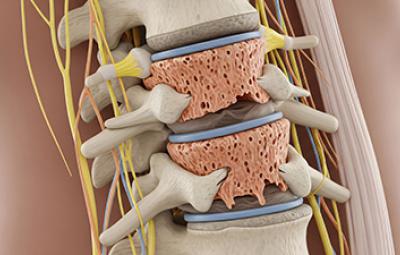
Improves mobility and reduces pain from disc wear and tear.
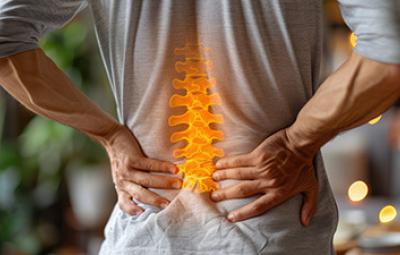
Decompresses and mobilizes spinal joints to reduce inflammation and stiffness.
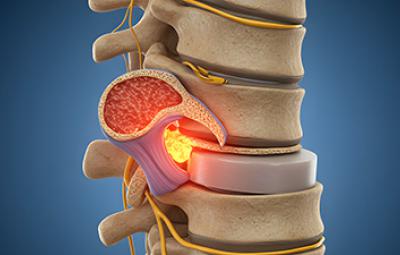
Reduces disc pressure and helps the disc material return to its proper position.

Alleviates chronic or acute lumbar pain by restoring proper spinal motion.
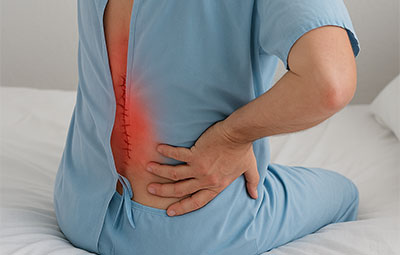
Provides gentle, non-force adjustments that support recovery and prevent reinjury.

Relieves pressure on the sciatic nerve to reduce leg pain and numbness.
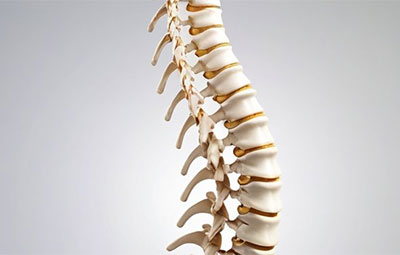
Helps balance spinal tension and reduce discomfort from spinal curvature.
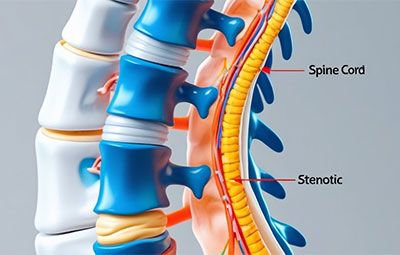
Gently opens the spinal canal to ease nerve compression.
What Are the Benefits of Flexion Distraction?
Flexion Distraction therapy offers many benefits, including reduced back and leg pain, improved mobility, and faster recovery from spinal injuries. It decreases pressure on nerves and discs, reduces muscle tension, and enhances joint flexibility. Because it’s gentle and non-invasive, it’s safe for patients with acute or chronic pain. This technique also promotes spinal health, helps correct posture, and supports long-term pain management by improving spinal alignment and reducing the risk of future flare-ups.
Click Here To Learn What You Can Expect At Your First Visit